Naoshima Island was without question the highlight of our entire Japan trip. This small island in the Seto Inland Sea is famous for its contemporary art museums, open-air installations, and breathtaking landscapes. But what surprised us most? How magical and easy it was to visit Naoshima with a toddler.
After traveling across Japan for one month, Naoshima became our absolute favorite destination. A place where art meets nature, where time slows down, and where even a two-year-old can run freely between museums, beaches, and sculptures.
If you are planning a family trip to Japan and love unique destinations, Naoshima is a must !
Where Is Naoshima Island?
Naoshima is a small island located in the Seto Inland Sea, between Okayama and Shikoku. It is part of Kagawa Prefecture and is internationally famous for its modern art museums, architecture by Tadao Ando, and iconic outdoor artworks such as Yayoi Kusama’s Pumpkin.
Despite its global reputation, the island remains peaceful, slow, and incredibly relaxing.
How to Get to Naoshima Island
We traveled to Naoshima from Kanazawa. From Kanazawa, we took the Shinkansen to Okayama with a change in Osaka. Because we were traveling with a toddler, we decided to spend one night in Okayama to avoid a long travel day.
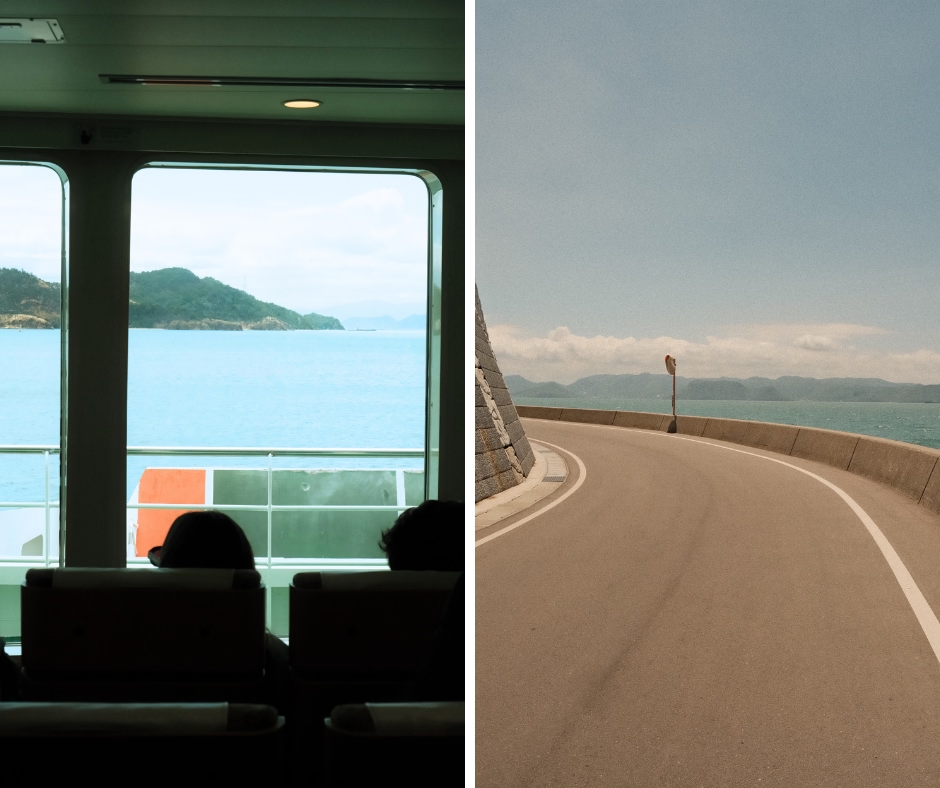
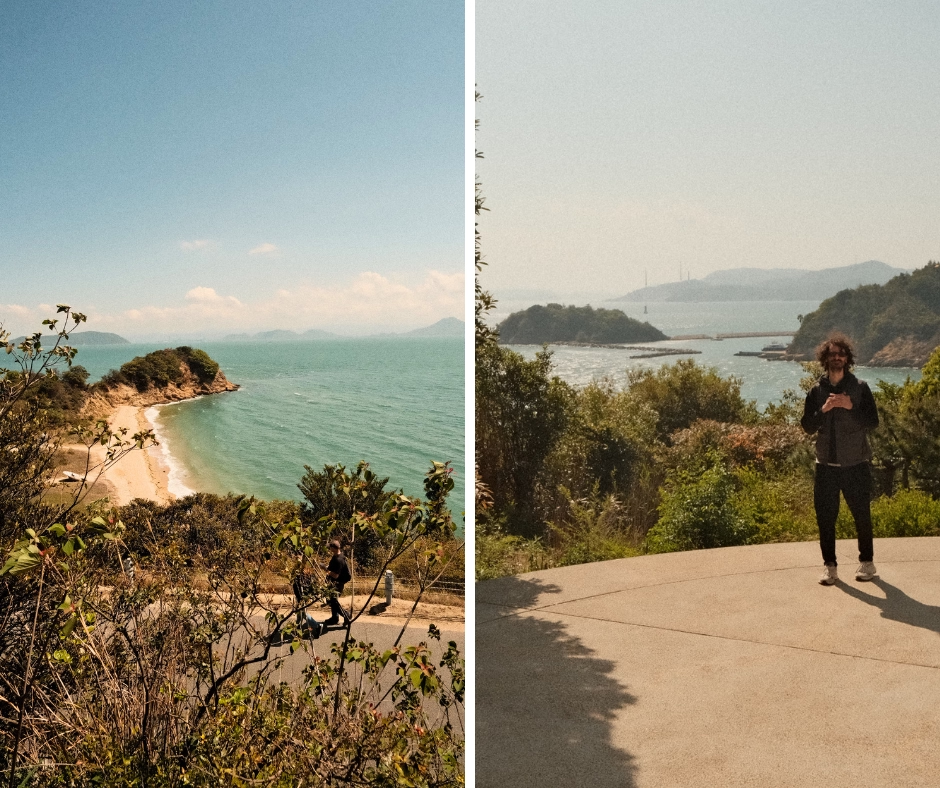
From Okayama, we went to Uno Port, where ferries depart regularly for Naoshima Island. The boat crossing takes only 15 to 20 minutes and already offers beautiful views over the Seto Inland Sea.
Stop in Okayama – Kurashiki Bikan Historical Quarter
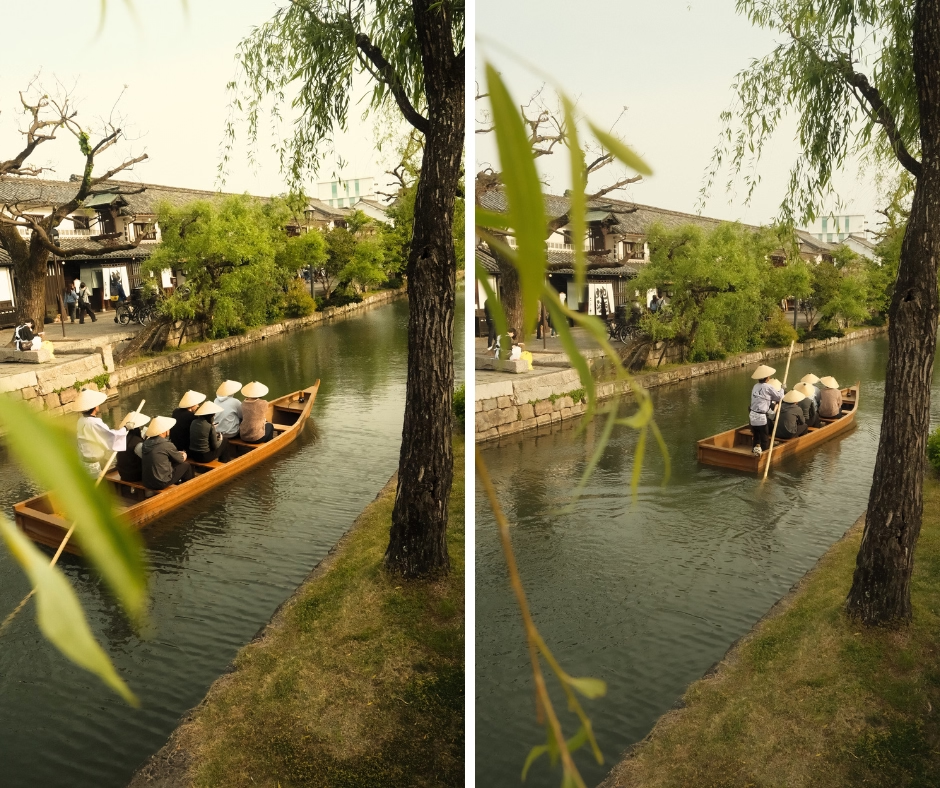
Before heading to Naoshima, we spent a night in Okayama and visited the beautiful Kurashiki Bikan historical district.
You can take a small boat ride along the Kurashiki River, surrounded by willow trees, traditional warehouses, koi carp, and herons. The area is full of charming cafés, restaurants, and souvenir shops. It’s a perfect short stop before heading to the island.
Where to Stay on Naoshima Island
Accommodation on Naoshima is very limited. There are only a few guesthouses, one luxury hotel, and some high-end rentals.
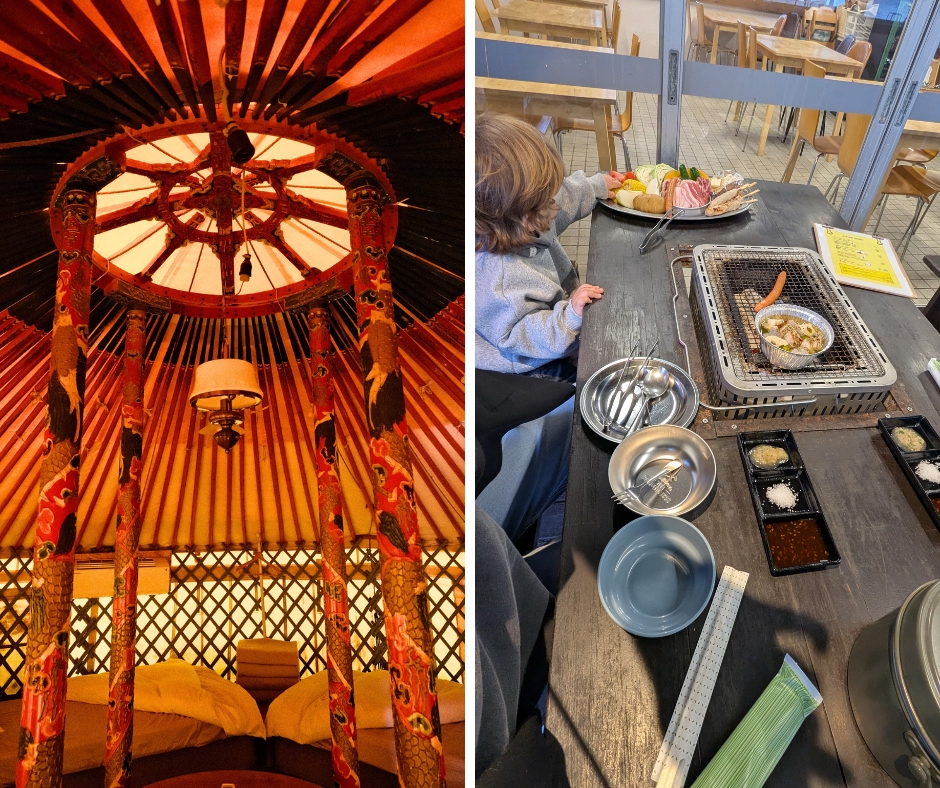
We chose to stay in a seaside yurt, and it was one of the most magical nights of our trip. If you want to try the experience, check the Yourts of Tsutsujiso.
Our yurt was facing the sea, and we could even see flying fish jumping out of the water. The atmosphere was unreal.
Important Tip About Food on Naoshima
In the evening, almost all restaurants are fully booked. If you stay in a yurt (or not), you should book the outdoor BBQ offered by the accommodation, the name of this restaurant is EAT LOCAL. The quality of the meat, the setting, and the experience were absolutely incredible. Many people came hoping to get a table, but everything was sold out. Book
We only stayed one night, which is enough to visit the island, but you could easily stay longer.
What to Visit on Naoshima Island
Naoshima is an open-air museum. Everywhere you walk, you discover art, architecture, and breathtaking viewpoints.
Lee Ufan Museum & “Gate to Infinity”
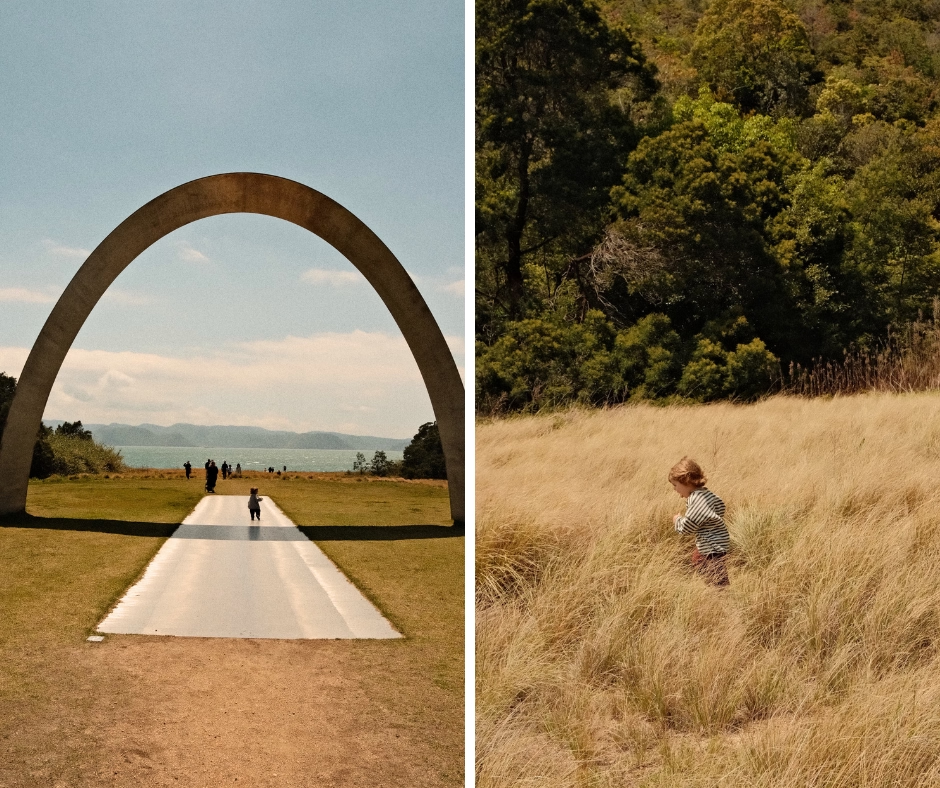
The most emotional moment of our trip was discovering Lee Ufan’s “Gate to Infinity” at the Lee Ufan Museum.
This monumental stone gate opens directly onto the sea and sky. Standing there, feeling the ocean breeze and watching our son run through the tall grass toward the beach was unforgettable.
The museum building itself is stunning, and even though there are only a few artworks inside, the architecture alone is worth the visit.
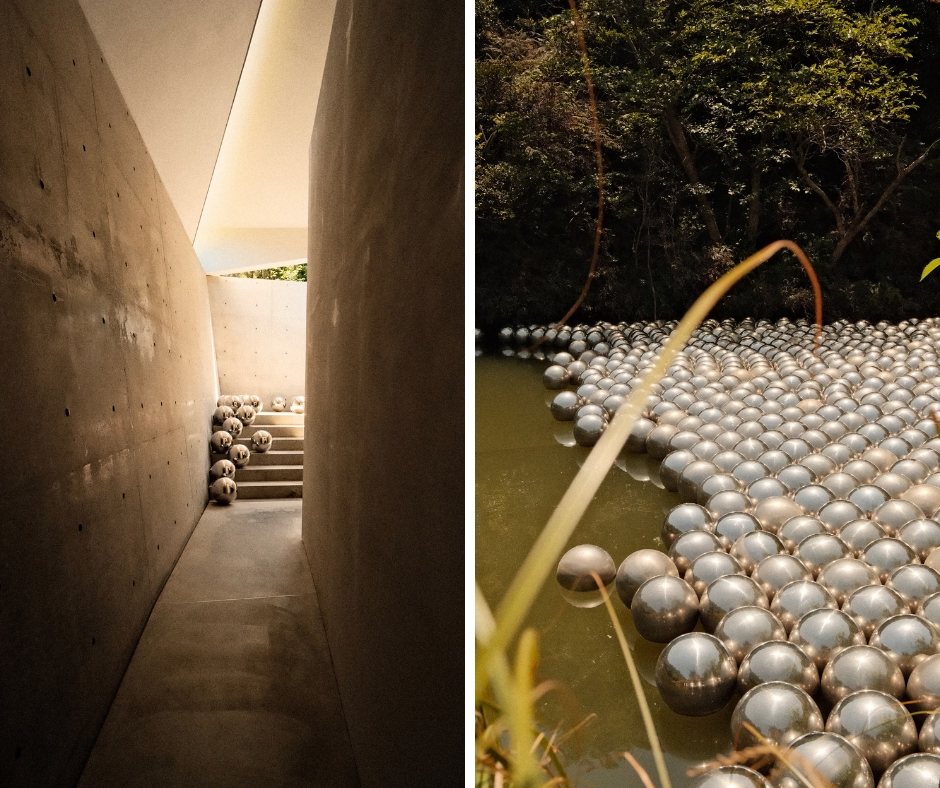
Valley Gallery & Yayoi Kusama’s “Narcissus Garden”
Right next to the Lee Ufan Museum is the Valley Gallery, where you can see Yayoi Kusama’s famous “Narcissus Garden”.
This space is calm, meditative, and surrounded by nature. It’s a beautiful place to slow down and enjoy the island’s peaceful energy.
Your Benesse House Museum ticket also gives you access to the Valley Gallery.
Benesse House Museum
The Benesse House Museum is one of the most impressive museums on the island. The building overlooks the sea and offers spectacular panoramic views.
There is a small restaurant upstairs with a beautiful terrace. The food is simple and a bit expensive, but since there are very few dining options near the museums, it’s a great solution.
It is also kid-friendly, with pasta dishes and baby-changing facilities.
Hiroshi Sugimoto Gallery: Time Corridors
Close to our yurt was the Hiroshi Sugimoto Gallery: Time Corridors. This museum has a very limited number of daily tickets. Once they are sold out, entry is no longer possible. If you want to visit, make sure to book your ticket in advance.
Yayoi Kusama’s Pumpkin – The Symbol of Naoshima
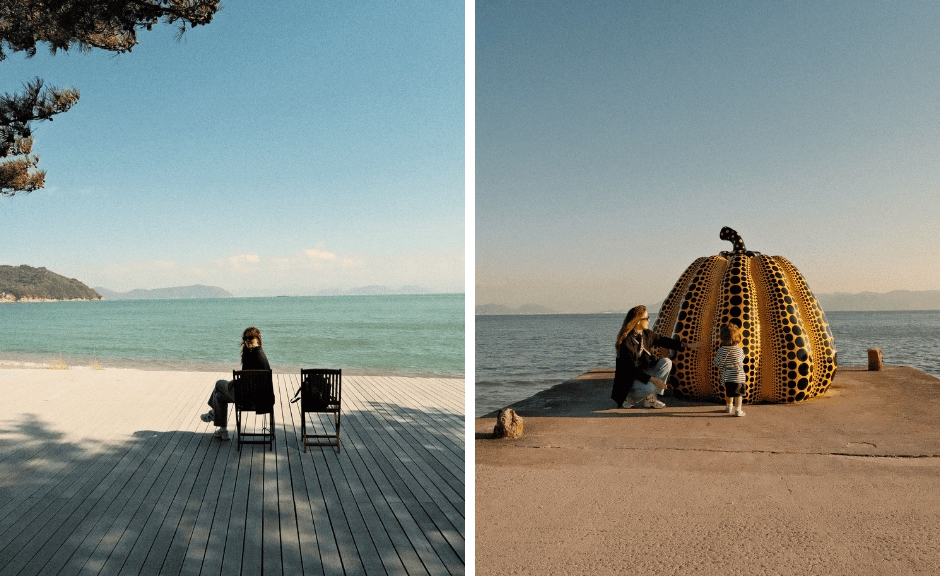
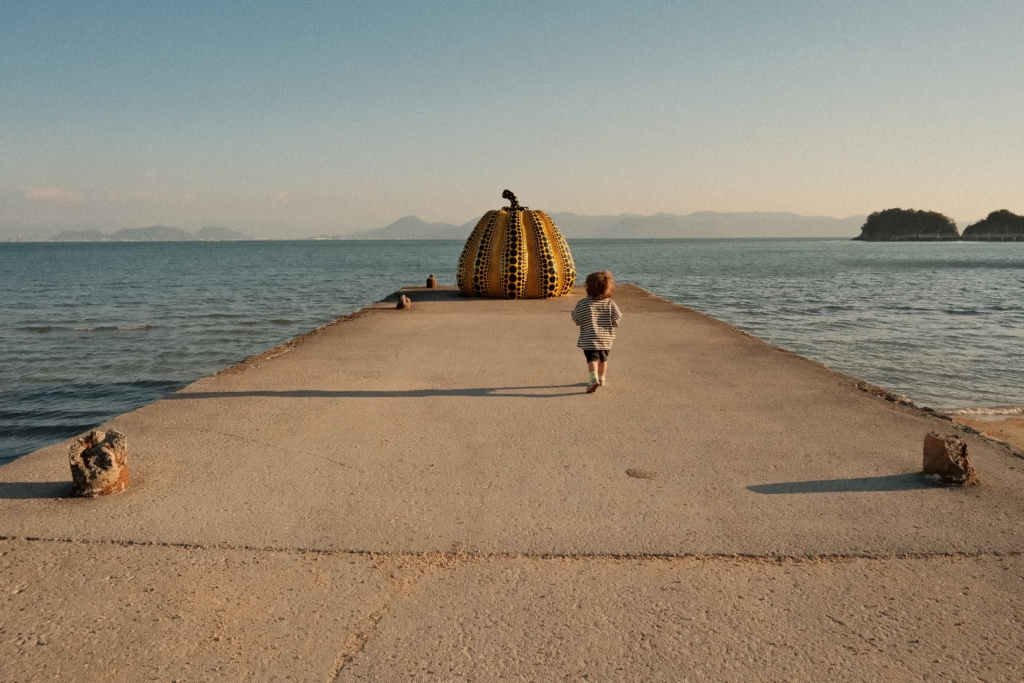
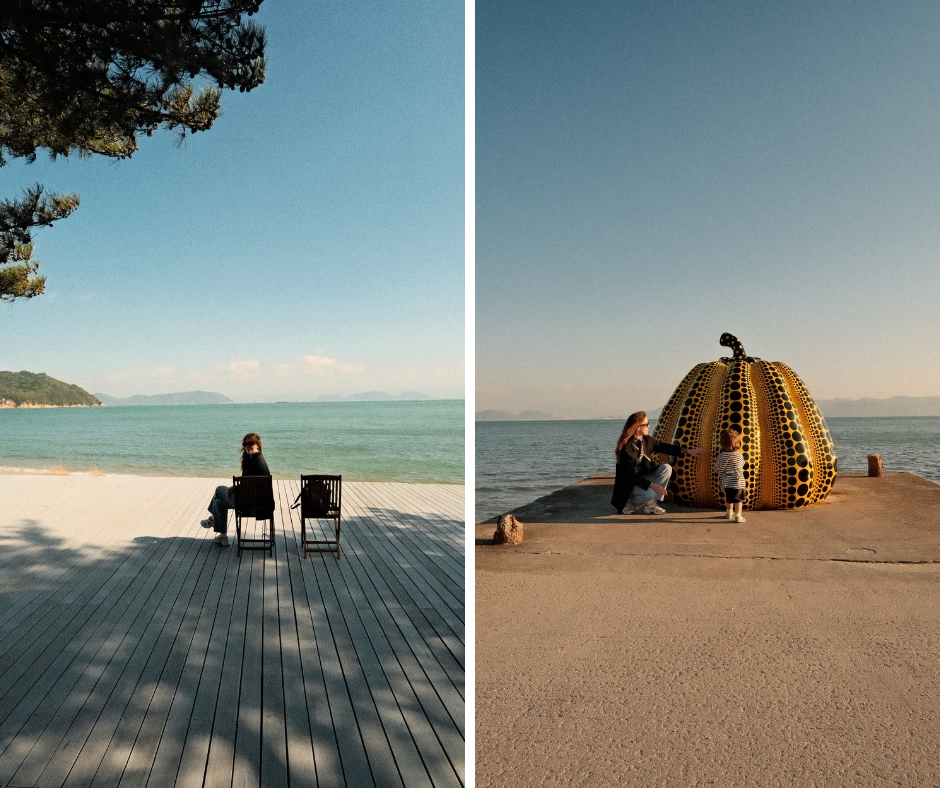
The most famous artwork on Naoshima is Yayoi Kusama’s Pumpkin, located right by the sea.
People start lining up early in the morning, but since it was just next to our accommodation, we were able to enjoy it quietly at sunrise and again at sunset.
Seeing this giant yellow pumpkin against the turquoise sea is an unforgettable sight.
Is Naoshima Kid-Friendly?
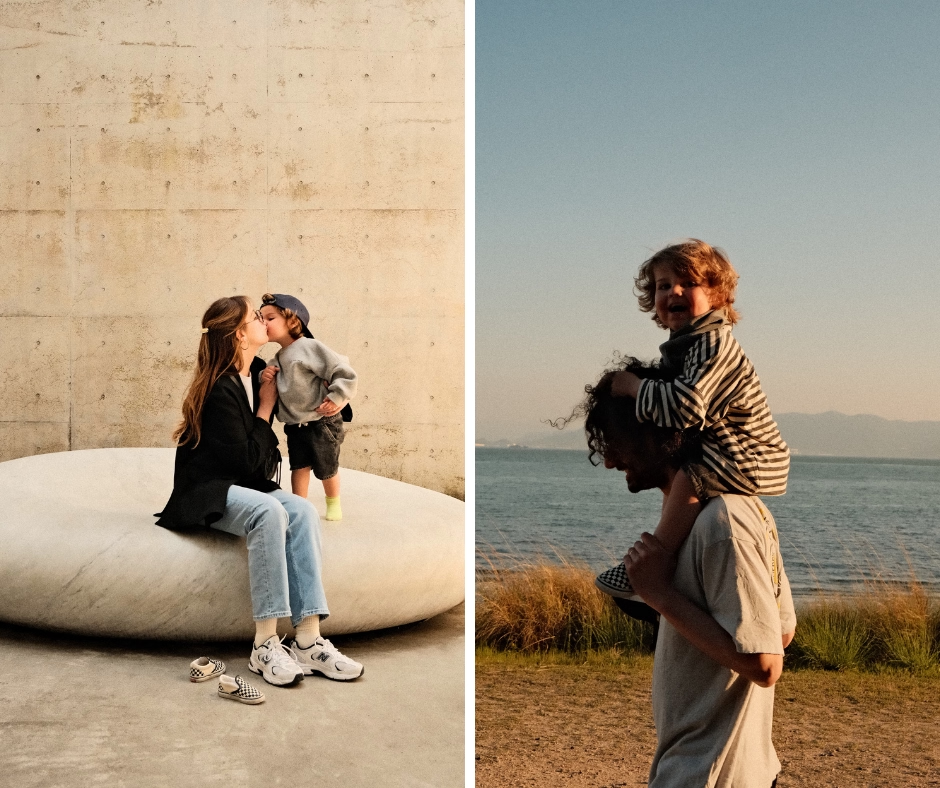
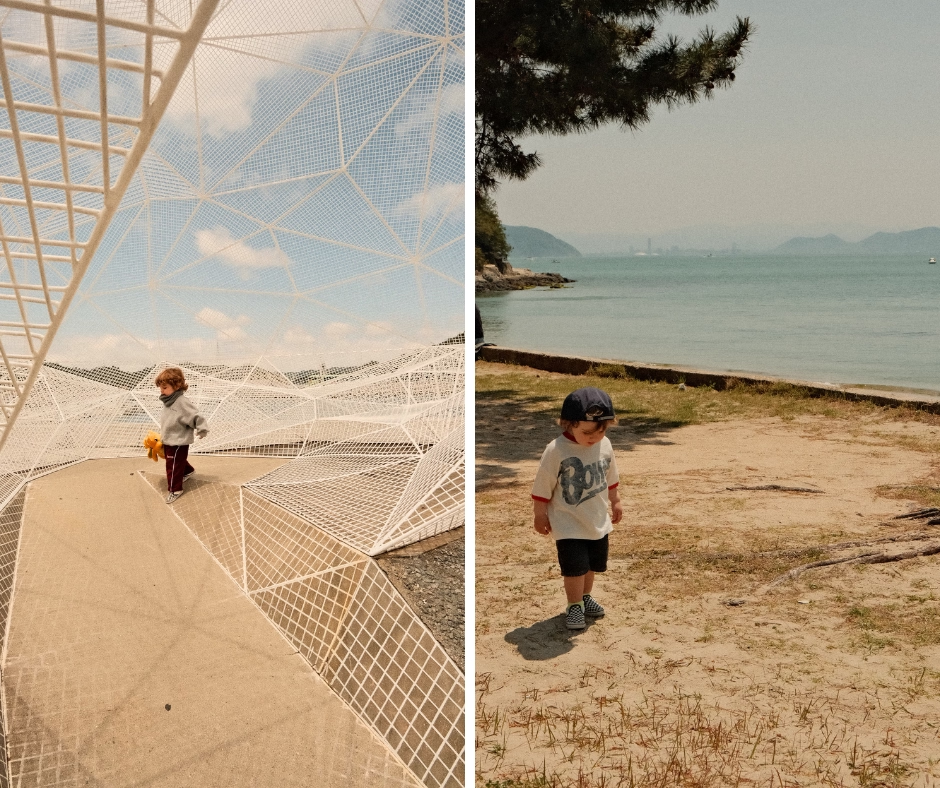
Absolutely. Naoshima is one of the most kid-friendly destinations we visited in Japan.
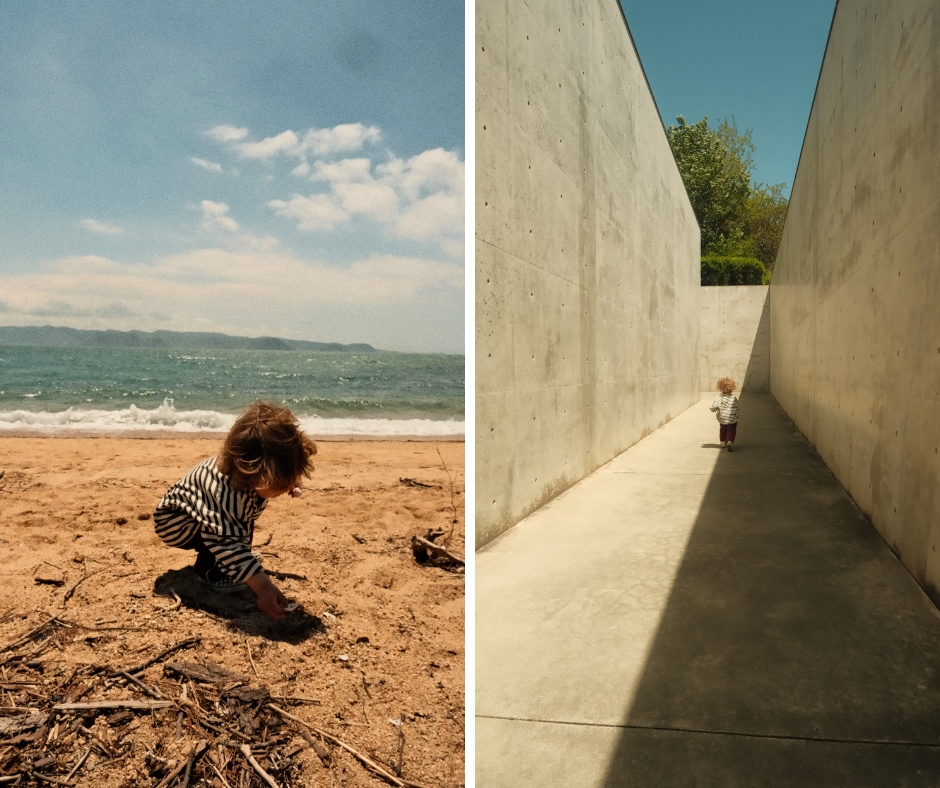
There are no cars in most areas, wide walking paths, beaches, open spaces, and many outdoor artworks that children can explore freely.
Our two-year-old loved:
Running between museums and beaches
Playing in the grass near the Lee Ufan Museum
Watching boats arrive at the port
Walking along the seaside paths
The calm atmosphere makes it perfect for families.
How to Get Around Naoshima
You can explore the island:
– On foot – By bicycle – By local bus
We mostly walked and only took the bus once to return to the port. Walking is the best way to discover hidden beaches, sculptures, and viewpoints.
Why Naoshima Was Our Favorite Place in Japan
Naoshima is more than just a destination. It’s an experience.
The combination of: – Contemporary art – Nature and beaches – Architecture – Calm island life
…creates a unique atmosphere that you won’t find anywhere else in Japan.
If you love slow travel, art, design, and meaningful experiences, Naoshima is a must.
One thought on “Naoshima Island : Where to Stay, What to Visit for an amazing trip”
One thought on “Naoshima Island : Where to Stay, What to Visit for an amazing trip”