Hiroshima & Miyajima : Best Things To Do In 2 Days
Stripcities Commentaires 0 Commentaire
f you’re planning a trip to Japan, Hiroshima deserves a place on your itinerary. While many travelers know the city because of its tragic past, Hiroshima today is a vibrant, peaceful and welcoming destination that perfectly combines history, culture and nature.
During our one-month family trip through Japan with our two-year-old son, Hiroshima had been on our bucket list since our very first visit to Japan in 2024. Unfortunately, we hadn’t had enough time back then.
This time, we finally dedicated one full day to exploring Hiroshima and another day discovering the beautiful island of Miyajima. It turned out to be one of the most emotional and memorable stops of our entire journey.
In this guide, I’ll share the best things to do in Hiroshima, our favorite places to visit and everything you shouldn’t miss.
Table of Contents
ToggleWhere is Hiroshima?
Hiroshima is located in western Honshu, Japan’s largest island, along the beautiful Seto Inland Sea. Today, it is the capital of Hiroshima Prefecture and home to more than one million people.
Although Hiroshima is forever linked to the events of August 6, 1945, when it became the first city in history to be struck by an atomic bomb, it has since been completely rebuilt into one of Japan’s greenest and most peaceful cities.
Compared with cities like Kyoto or Kanazawa, Hiroshima feels noticeably different. Wide boulevards, spacious parks and modern buildings give it a more open, almost American atmosphere. English is spoken more frequently, and you’ll notice visitors from all over the world coming to learn about its remarkable history.
Visit the Atomic Bomb Dome (Genbaku Dome)
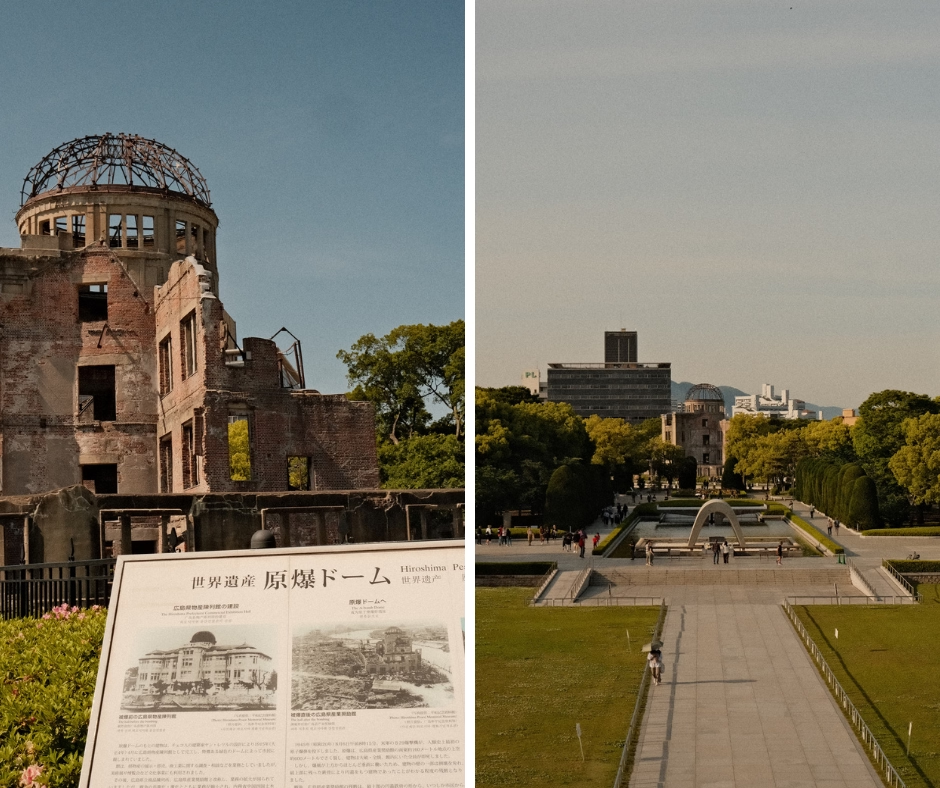
No visit to Hiroshima would be complete without seeing the Atomic Bomb Dome, one of Japan’s most important historical landmarks.
Originally built in 1915 as the Hiroshima Prefectural Industrial Promotion Hall, the building stood almost directly beneath the explosion of the atomic bomb. While nearly everything around it was destroyed, its steel framework miraculously remained standing.
Today, the ruins have been preserved as a symbol of peace and are listed as a UNESCO World Heritage Site.
When we visited, the weather couldn’t have been more beautiful: a bright blue sky contrasted with the powerful silence surrounding the monument.
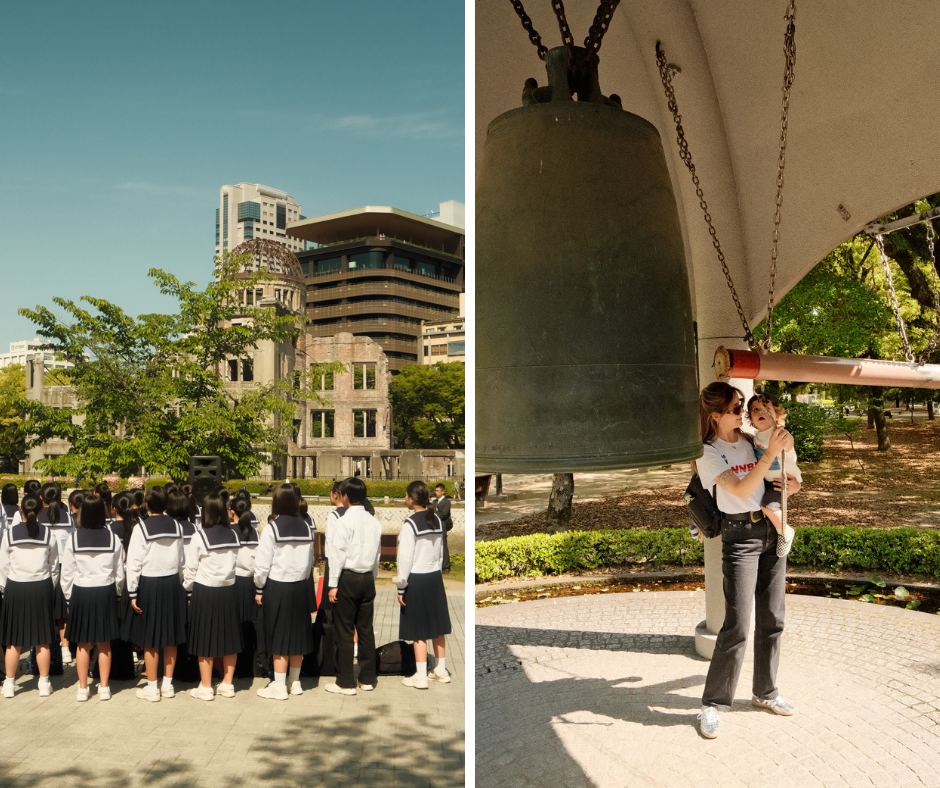
Our visit happened to coincide with the 80th anniversary of the Hiroshima bombing. Hundreds of Japanese schoolchildren had gathered in front of the Genbaku Dome, singing songs and reading messages of peace together.
It was an incredibly emotional moment that we’ll never forget.
Walk Through Hiroshima Peace Memorial Park
Just beside the Atomic Bomb Dome lies the Peace Memorial Park, built in memory of the victims of the bombing.
The park is beautifully landscaped with rivers, trees and memorials, creating an atmosphere of reflection rather than sadness.
Don’t miss:
- The Children’s Peace Monument
- The Memorial Cenotaph
- The Flame of Peace
- The Peace Bell
Walking through the park is a moving experience that reminds visitors of the importance of peace.
Hiroshima Peace Memorial Museum
If there’s only one museum you visit in Hiroshima, make it this one.
The Hiroshima Peace Memorial Museum is one of the most powerful museums we’ve ever visited.
Inside, you’ll discover personal testimonies, photographs, objects recovered after the explosion and detailed explanations of what happened on August 6, 1945.
One of the most striking parts of the museum is the audiovisual presentation explaining exactly how, where and why the atomic bomb exploded over Hiroshima.
It is impossible to leave this museum unchanged.
A small warning for families: we would not recommend visiting with young children. Some photographs and testimonies are extremely graphic and emotionally difficult.
We were incredibly lucky because our two-year-old son fell asleep in his stroller just before entering the museum, allowing us to experience the visit without exposing him to those images.
Visit the Hiroshima Museum of Art
If you have a little extra time, don’t miss the Hiroshima Museum of Art.
Located just a five-minute walk from Hiroshima Bus Center, this elegant museum features an excellent collection of both Japanese and European paintings, including works by Monet, Renoir, Picasso and Van Gogh.
After the emotional intensity of the Peace Museum, we found this to be a calming and inspiring place to spend an hour.
Take a Day Trip to Miyajima Island
Our second day was dedicated to one of Japan’s most iconic destinations: Miyajima, officially known as Itsukushima Island.
Instead of taking the traditional JR ferry, we chose a smaller direct boat departing near Hiroshima Peace Memorial Park.
It cost about the same, but offered one major advantage: there were more departures throughout the day, giving us much greater flexibility while traveling with our toddler.
Since the weather was rainy that day, we really appreciated not having to rush back for a fixed ferry schedule.
You can book the boat the day before directly at the ticket office or online.
Why Miyajima Is One of Japan's Most Beautiful Places
Often ranked among Japan’s Three Most Scenic Views, Miyajima is famous for its breathtaking floating torii gate, peaceful forests and sacred atmosphere.
Even though it’s one of Japan’s most visited islands, it still feels magical.
Best Things to Do in Miyajima
1. Visit the Floating Torii Gate
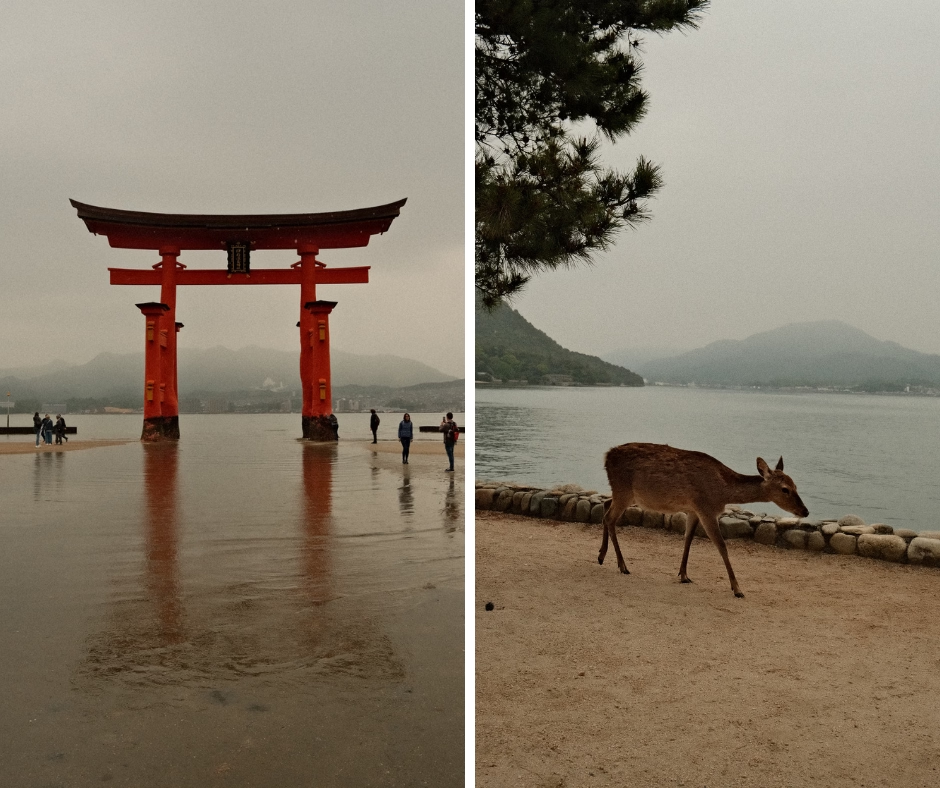
The island’s most famous landmark is undoubtedly the gigantic vermilion Itsukushima Shrine Torii, which appears to float on the sea during high tide.
It’s one of the most photographed places in Japan—and seeing it in person is even more impressive.
2. Meet the Friendly Deer
Just like in Nara, friendly sika deer roam freely around Miyajima.
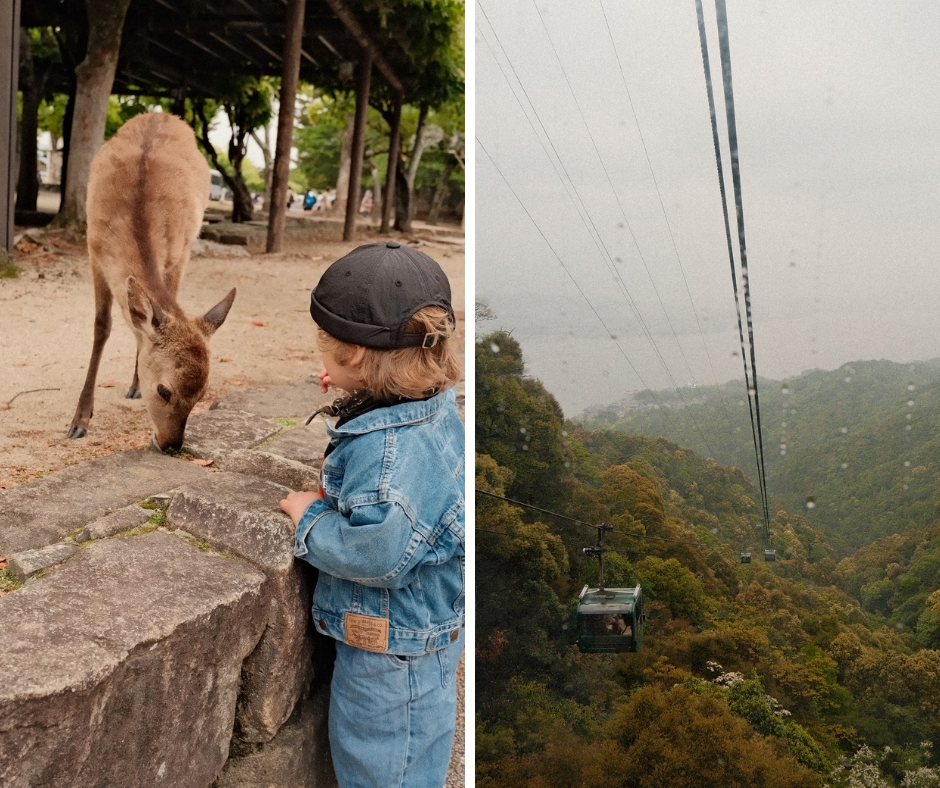
Our son absolutely loved watching them from a respectful distance as they wandered through the island.
One of the best places to see them is Momijidani Park, especially during autumn when the maple leaves turn brilliant shades of red.
3. Ride the Ropeway to Mount Misen
If the weather is clear, take the cable car up Mount Misen.
At 535 meters above sea level, the summit offers spectacular panoramic views over the Seto Inland Sea and the surrounding islands.
Unfortunately, heavy rain prevented us from going up, which gives us the perfect excuse to come back one day.
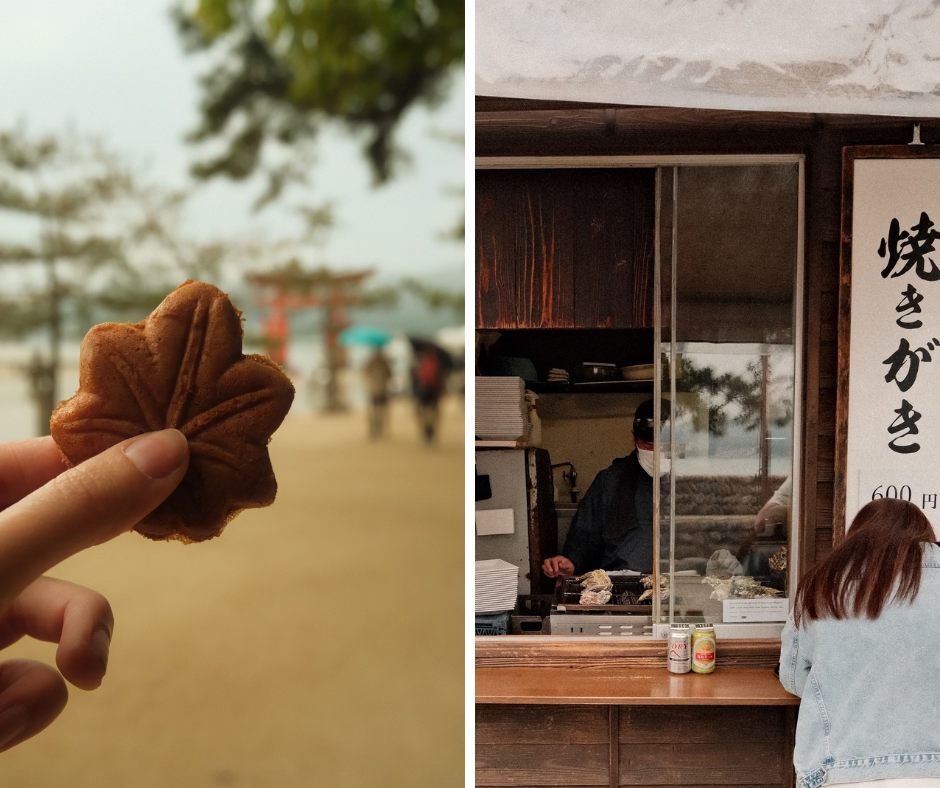
4. Taste Momiji Manju
One of Miyajima’s most famous specialties is Momiji Manju.
These delicious maple leaf-shaped cakes are traditionally filled with sweet red bean paste, but you’ll also find flavors like:
- Matcha
- Custard
- Chocolate
- Lemon
- Sweet potato
The best place to try them is Omotesando Shopping Street, where you’ll also find dozens of souvenir shops and cafés.
5. Try Hiroshima Oysters
Miyajima is also famous for its fresh oysters.
Whether grilled, fried or served raw, they’re considered some of the best in Japan and can be found in many restaurants along the island’s main street.
Next Stop: Kyoto
After two unforgettable days in Hiroshima and Miyajima, it was time to board the Shinkansen once again.
Our next destination was Kyoto, one of our favorite cities in Japan. In the next article, I’ll share our favorite temples, peaceful neighborhoods, hidden cafés and family-friendly spots that made us fall in love with Kyoto all over again.